One school confrontation raises larger questions about students, families, and the pressures shaping today’s youth
July 13, 2026
A confrontation inside a school gymnasium has sparked debate far beyond the classroom.
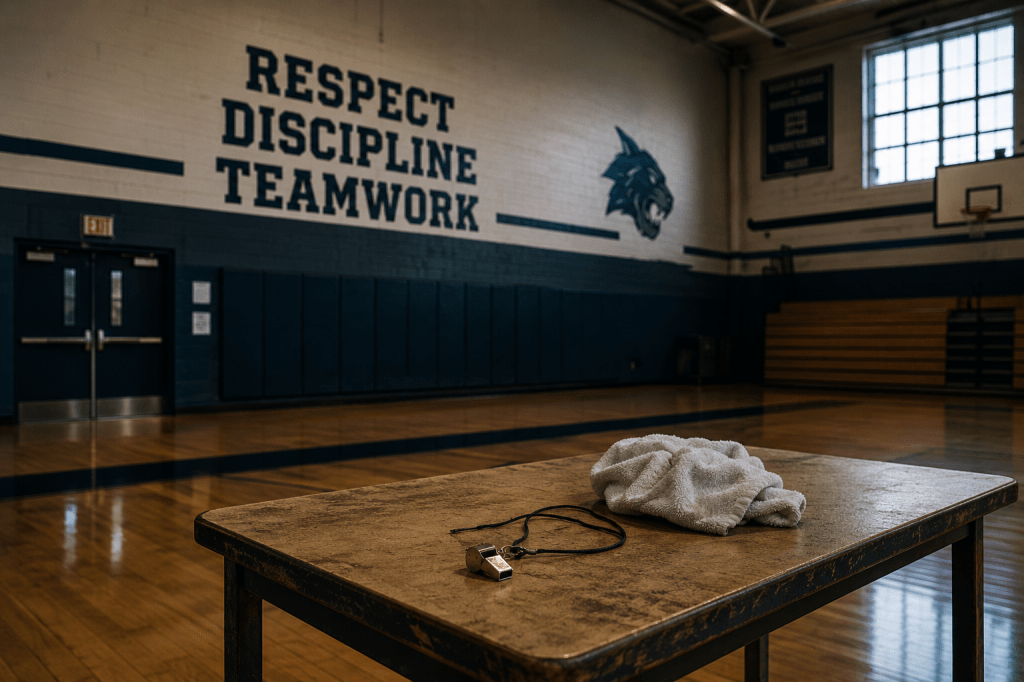
According to reports, a student climbed onto a table during class before a confrontation with a physically fit gym teacher escalated. Moments later, the teacher struck the student, sending him to the floor. The incident became a topic of discussion within the school and community, leaving people divided over whether the teacher’s actions were justified or whether the situation should have been handled differently.
As incidents like these happen today, people rushed to choose sides. Some viewed the student as disrespectful and disruptive. Others believed the teacher crossed a line by responding with physical force.
One thing makes this incident somewhat different from many others that dominate public discussion. Because both the student and the teacher were reported to be of similar racial backgrounds, race did not immediately become the central issue. Removing that element from the conversation allows room to examine other factors that are just as important—and often overlooked.
At ChillX Zone, we believe every incident deserves to be examined from as many angles as possible before conclusions are reached.
Was the student acting out because of immaturity or peer pressure?
Had there been previous conflicts between the student and the teacher?
Was the student being bullied by classmates?
Could there have been struggles at home that teachers and classmates never saw?
If the student came from an immigrant family, was he carrying pressures that many of his peers did not understand? Was he the youngest of several siblings? Had older brothers left school early to help support the family by working in construction, carpentry, or other trades? Did expectations at home differ from those at school?
None of these questions excuse inappropriate behavior by anyone involved. Likewise, none of them justify unnecessary force if investigators determine that excessive force was used.
The point is not to invent explanations. The point is to recognize that moments like these rarely develop in isolation.
Schools are often where problems that begin elsewhere first become visible.
Teachers see students for a few hours each day. They cannot always know what happened before the morning bell rang. A student may arrive carrying emotional stress, family conflict, financial hardship, social pressure, or personal struggles that remain invisible until emotions boil over.
At the same time, educators face increasing demands to maintain order, protect every student in their care, and make split-second decisions under pressure. Most succeed without incident. Occasionally, however, situations escalate faster than anyone expects.
Perhaps the most important question is not simply who threw the first punch or who deserves punishment.
Perhaps it is whether enough attention is being given to the warning signs that appear long before these confrontations ever happen.
Every viral school incident begins long before someone records the final thirty seconds.
If society hopes to reduce these encounters, it may need to spend less time arguing over the ending and more time understanding the beginning.
 The ChillX Zone
Leave a comment