Growing Up in a Melting Pot During a Moment America Couldn’t Ignore
February 22, 2026
America has long been described as a melting pot — a place where people from different cultures, backgrounds, and beliefs come together to build shared communities. States, cities, towns, and neighborhoods all carry their own identities, yet they overlap in ways that create something uniquely American.
If we cannot learn to embrace differences, it becomes difficult to imagine how society can grow. Progress depends on understanding, patience, and the willingness to listen — even when conversations feel uncomfortable.
Growing Up During a Defining Moment
Some memories feel small at the time but grow larger with perspective. Childhood often blends personal milestones with major national events, even if we don’t fully understand their significance until years later.
One such moment for many Americans was the 1994–1995 trial of O.J. Simpson. Televisions across the country carried the story nonstop. Adults spoke in hushed tones. News updates interrupted daily routines. Even children sensed the tension, confusion, and division surrounding the case.
It was a moment when conversations about justice, race, media, and truth were suddenly everywhere — in living rooms, classrooms, and communities.
A New Kind of Classroom Experience
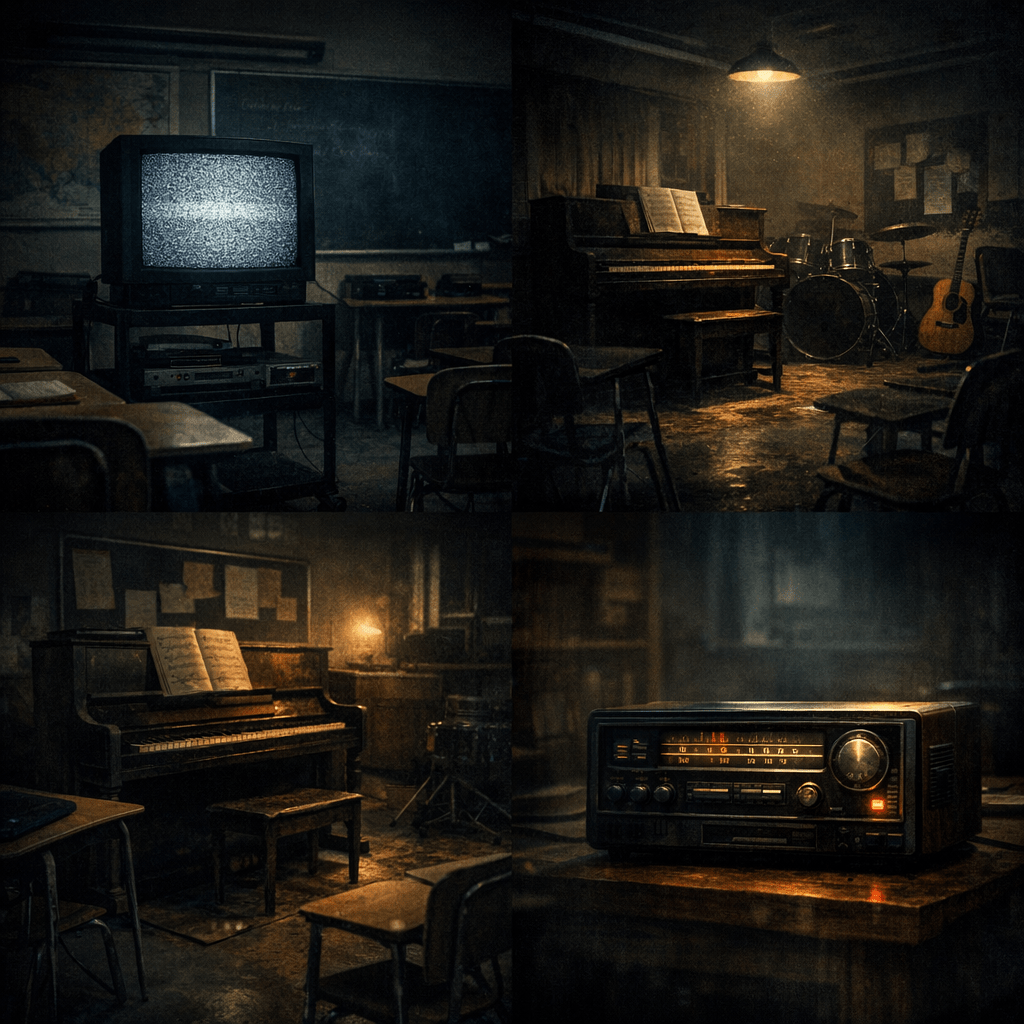
Around that same time, something new appeared at school: an after-school music class. Until then, most enrichment classes leaned toward art projects, crafts, and activities designed to be light and engaging. They were fun and creative, but familiar.
Music felt different. It was challenging in a new way. It required patience, repetition, listening, and collaboration. It demanded attention and discipline while still being creative and expressive. Because of the extra time and resources it required, the class was held after school rather than during the regular day.
For the students who joined, it felt like discovering a new language.
When Opportunities Disappear
Unfortunately, programs that enrich students are often the first to disappear when budgets tighten. By the following year, the music class was cut due to funding limitations.
For many students, it was the first time they experienced how fragile opportunities can be. Something meaningful and exciting had arrived — and then quietly vanished.
It was a small lesson in how institutions make decisions, and how those decisions ripple outward into young lives.
A Strange Story from the Same Year
The mid-1990s were also filled with stories that captured public imagination in unusual ways. In 1994, the “Air Force One Poltergeist” rumor circulated widely. During routine flights, crew members reported unexplained knocking sounds, objects shifting unexpectedly, and strange mechanical disturbances that technicians struggled to explain at the time. While later attributed to mechanical and structural factors, the story spread quickly and became part of the era’s fascination with unexplained phenomena.
It reflected something deeper about the time: a country trying to understand uncertainty. Technology was advancing. Media coverage was accelerating. And people were learning to process big stories in real time.
Learning to Listen
Music class, national headlines, and strange stories may seem unrelated, but they share a common thread: learning to listen. Listening to new perspectives. Listening to unfamiliar sounds. Listening to each other.
Growth — whether personal or cultural — begins with openness. It begins with curiosity instead of fear.
Moving Forward Together
America’s strength has always come from its diversity. From classrooms to communities, progress depends on creating spaces where differences are respected and voices are heard.
Opportunities may come and go. Headlines may divide opinions. Stories may feel confusing or uncertain.
But learning to listen — to music, to culture, and to one another — is how we move forward together.


 The ChillX Zone
Leave a comment