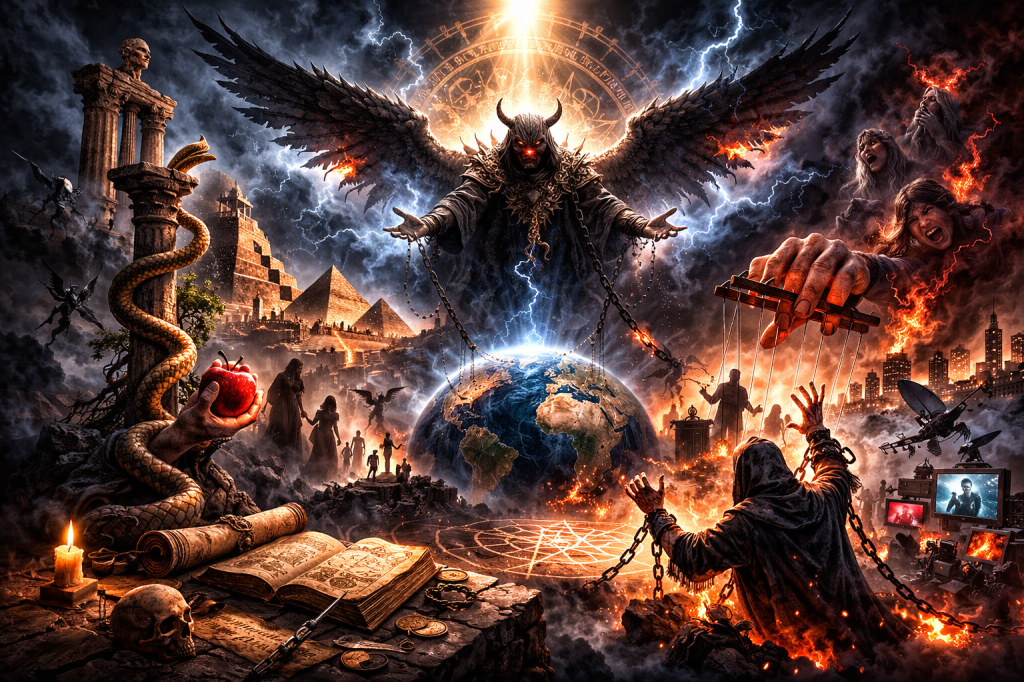
Exploring religious traditions, ancient texts, and modern interpretations of supernatural beings said to influence humanity
March 19, 2026
For thousands of years, cultures around the world have described powerful supernatural beings that interact with humanity. Among the most widely discussed in religious traditions are fallen angels, entities believed to have once served in the heavenly realm but later rebelled or descended to earth.
Stories about these beings appear in religious scriptures, ancient writings, and folklore. Many traditions attribute remarkable capabilities to fallen angels, including influence over human knowledge, spiritual deception, and the manipulation of natural forces.
Although interpretations vary widely, these accounts have shaped theology, mythology, and cultural beliefs for centuries.
Origins of the Fallen Angel Concept
The concept of fallen angels appears most prominently in Jewish, Christian, and some Islamic traditions. In these narratives, angels were originally created as powerful spiritual beings. However, some chose to rebel against divine authority and were cast out of heaven.
Ancient texts such as the Book of Enoch, which is referenced in early Jewish tradition, describe a group of angels called the Watchers who descended to Earth. According to these writings, they shared forbidden knowledge with humans and altered the natural order.
These stories have influenced many later interpretations about the capabilities and motives of fallen angels.
Knowledge and Forbidden Teachings
One of the most frequently mentioned abilities associated with fallen angels is their connection to hidden knowledge.
Ancient texts describe them as revealing advanced skills to humanity, including:
- metalworking and weapon creation
- astrology and celestial knowledge
- herbal medicines and poisons
- magical or spiritual practices
In these traditions, the sharing of this knowledge was considered dangerous because it was believed to disrupt the intended balance of the world.
Some scholars interpret these stories symbolically, suggesting they represent humanity’s early discovery of powerful technologies and sciences.
Influence Over Human Thought
Many religious traditions claim that fallen angels possess the ability to influence human thinking and behavior.
This influence is often described as subtle rather than direct control. It may involve:
- temptation
- deception
- manipulation of emotions
- inspiring destructive ideas or actions
In Christian theology, these influences are typically associated with spiritual warfare—the ongoing struggle between good and evil forces influencing human choices.
These concepts have played a major role in shaping moral teachings and spiritual beliefs throughout history.
Manipulation of the Physical World
Some ancient texts also attribute physical capabilities to fallen angels. In certain traditions, they are described as having the power to interact with natural forces or alter physical conditions.
Examples mentioned in various writings include:
- creating storms or environmental disturbances
- influencing disease or healing
- appearing in different forms or disguises
Scholars often debate whether these descriptions were intended literally or symbolically, reflecting ancient attempts to explain unexplained natural events.
Encounters and Cultural Interpretations
Reports of encounters with supernatural beings have appeared in many cultures across history. Some traditions interpret mysterious experiences, visions, or unexplained phenomena as interactions with spiritual entities.
However, modern scholars often approach these accounts through the lenses of psychology, cultural belief systems, and historical context.
Different societies have interpreted unusual experiences in ways that reflect their religious frameworks and worldview.
Fallen Angels in Modern Thought
Today, the idea of fallen angels continues to appear in literature, theology, and popular culture. Books, films, and philosophical discussions often explore questions about their potential capabilities and motives.
Some modern interpretations frame fallen angels as symbolic representations of humanity’s struggle with knowledge, power, and moral responsibility.
Others view the stories as part of ancient mythological traditions that helped early societies explain complex aspects of human behavior and the natural world.
Spiritual Awareness and Personal Responsibility
Regardless of whether one interprets fallen angels literally, symbolically, or mythologically, these traditions often emphasize the importance of personal awareness and moral responsibility.
Many religious teachings focus on:
- maintaining ethical behavior
- resisting harmful influences
- seeking wisdom and truth
- strengthening spiritual awareness
These lessons remain central themes in religious and philosophical discussions around the world.
Understanding Ancient Narratives
Stories about fallen angels reveal how ancient cultures grappled with questions about power, knowledge, and the nature of good and evil.
Whether interpreted as theological teachings, symbolic mythology, or historical religious tradition, these narratives continue to inspire curiosity and debate.
Studying them provides insight not only into spiritual beliefs but also into the way humans throughout history have tried to understand unseen forces shaping their world.
 The ChillX Zone
Leave a comment