How a Tennessee ghost story reached the printed page
February 12, 2026
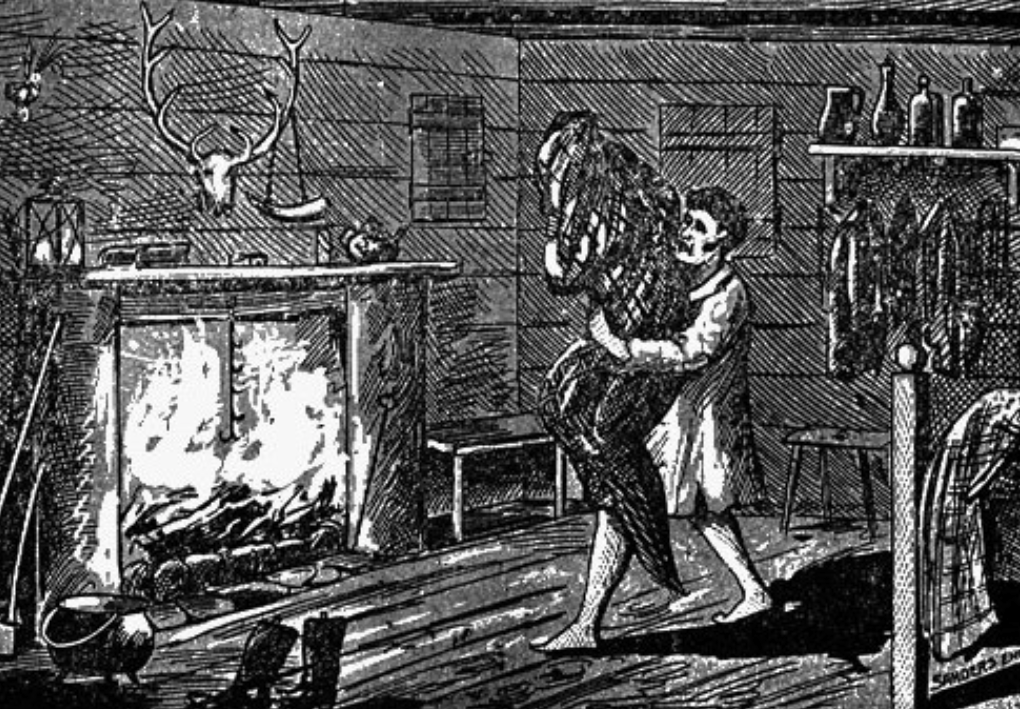
By the mid-1800s, stories about the Bell family haunting in Adams, Tennessee had circulated across the American South for years. Neighbors spoke of strange knocking sounds, unseen voices, and a presence that seemed to focus its attention on farmer John Bell and his daughter Betsy. The events were said to have taken place between 1817 and the early 1820s, but for decades the tale remained largely oral history, passed from family to family and town to town.
The story finally reaches print
On February 12, 1894, the haunting entered a new phase when a detailed written account began circulating publicly. The publication helped transform the Bell Witch from regional folklore into a widely known American ghost story. Once printed, the tale could travel far beyond Tennessee, reaching readers who had never heard the story firsthand.
The written account gathered local testimonies, earlier recollections, and long-retold details into a single narrative, presenting the haunting as a historical event rather than a fireside tale.
From local legend to national curiosity
The printed version introduced readers to the most famous elements of the story: the disembodied voice that identified itself as “Kate,” the unexplained noises in the Bell home, and the claim that the entity could speak, predict events, and interact with visitors. The publication gave structure to decades of storytelling and helped cement the Bell Witch as one of America’s earliest and most enduring supernatural legends.
The power of print in the 19th century
In the late 1800s, publication gave stories permanence and authority. Once the Bell Witch account appeared in print, it became part of the growing American fascination with spiritualism and unexplained phenomena. Newspapers, pamphlets, and later books repeated and expanded the story, each retelling adding new layers to the legend.
Why the story still echoes
The Bell Witch narrative endures because it sits at the crossroads of folklore, religion, and early American history. The February publication did more than share a ghost story — it preserved a piece of frontier mythology and carried it into the modern era, where it continues to be retold more than a century later.
 The ChillX Zone
Leave a comment