The Real Wilderness Incident That Still Defies Explanation
February 1, 2026
On the night of February 1–2, 1959, nine experienced hikers camped on a windswept slope in the northern Ural Mountains. Led by Igor Dyatlov, the group consisted of seasoned winter trekkers, several of whom had survived extreme expeditions before. They pitched their tent deliberately, despite worsening weather, confident in their training and equipment.
Nothing in their journals or photographs suggested panic or distress before nightfall.
The Tent They Fled
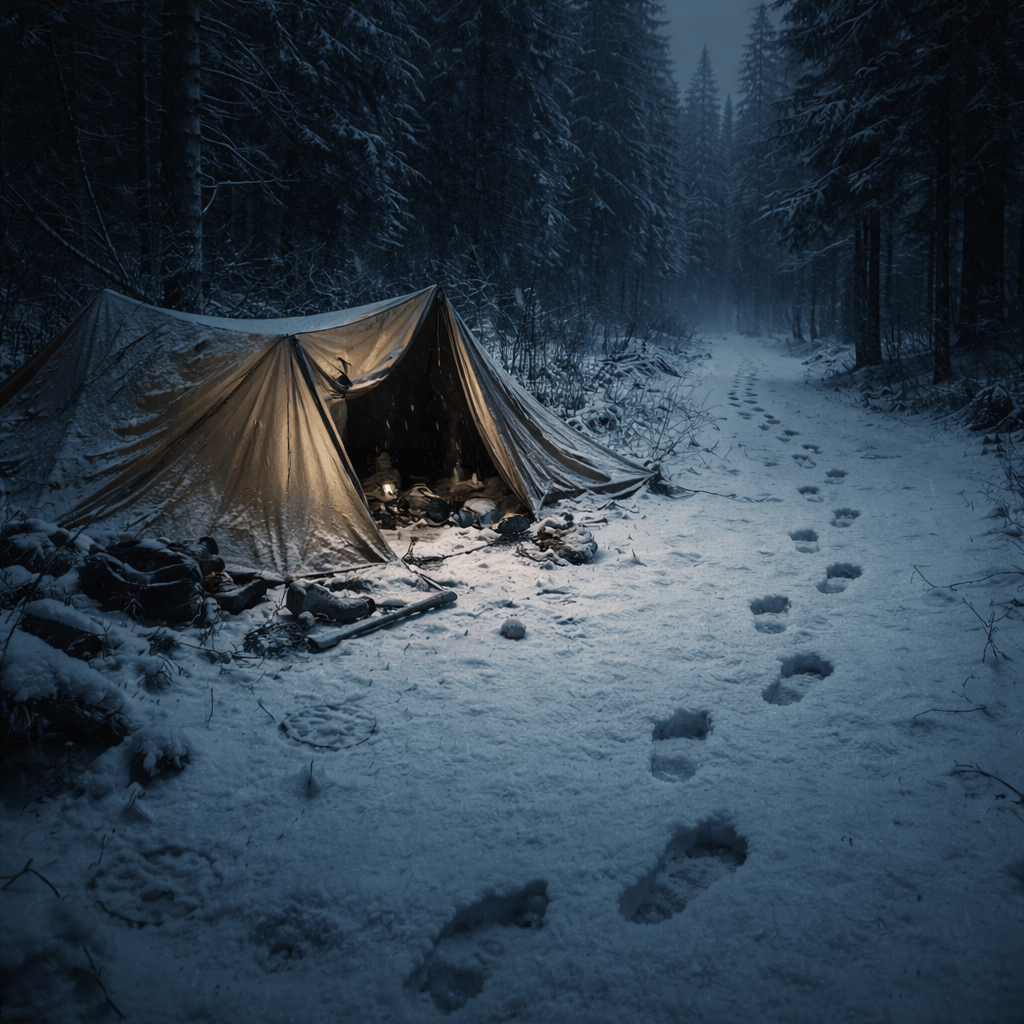
When search teams later found the campsite, the tent was still standing. Inside were boots, coats, food, and essential gear. What shocked investigators was that the tent had been cut open from the inside.
Instead of exiting normally, the hikers sliced their way out.
Barefoot and socked footprints led downhill toward the forest. There were no signs of struggle, no evidence of an external attacker, and no indication that the group scattered in chaos.
They left together.
Barefoot Into Certain Death
The temperature that night fell below −22°F (−30°C). In those conditions, survival without proper clothing lasts minutes, not hours. Every member of the group knew this.
Yet all nine abandoned the tent.
Their tracks showed controlled movement, not blind panic. The footprints suggested walking, not running, as if they believed distance from the tent was urgently necessary.
The location is now known as Dyatlov Pass.
The Bodies in the Forest
Two bodies were found beneath a tree near the remnants of a small fire. Their hands were burned, likely from desperate attempts to stay warm. They were nearly unclothed, possibly stripped by paradoxical undressing associated with hypothermia.
Three others were discovered between the forest and the tent, positioned as though they had tried to return and collapsed along the way.
Four more were found months later in a ravine, buried under snow.
Injuries That Made No Sense
Several hikers suffered catastrophic internal injuries: crushed ribs, massive chest trauma, and a fractured skull. One woman was missing her tongue.
There were no external wounds consistent with assault. No evidence of a large avalanche. No animal tracks. No weapons used.
The force required to cause some of the injuries rivaled that of a high-speed car crash.
Explanations That Never Fully Fit
Over decades, official explanations changed repeatedly. Avalanche. Wind slab collapse. Infrasound-induced panic. Secret military testing.
Each theory addressed one aspect of the case while leaving others unanswered.
None fully explained why trained hikers would abandon shelter without clothing, why they moved deliberately into deadlier terrain, or why their injuries showed extreme force without external damage.
Fear Without a Visible Cause
Survival psychology recognizes that humans can panic under stress, but panic usually creates chaos. People scatter. They scream. They make irrational, uncoordinated decisions.
At Dyatlov Pass, behavior was organized.
The hikers acted as if responding to a single, immediate threat they all perceived at the same time.
Search teams later described the area as unnaturally quiet. Some accounts claim tracking dogs hesitated or refused to proceed, though no physical explanation was ever documented.
Why the Incident Still Matters
The Dyatlov Pass incident is not just a historical mystery. It is a warning about isolation in extreme environments.
Sometimes danger does not announce itself with sound or force. Sometimes it arrives as certainty, the overwhelming conviction that staying put means death.
And when that certainty strikes in the wilderness, logic can disappear faster than warmth.
The Question That Remains
More than sixty years later, the facts have not changed.
Nine experienced hikers cut their way out of safety.
They walked barefoot into lethal cold.
They died where survival instincts should have saved them.
The question has never been answered.
What frightened them enough to leave the tent?
 The ChillX Zone
Leave a comment