When Extreme Winter Weather Becomes a Paranormal Trigger
January 13, 2026
January 13 sits deep within the most severe stretch of winter, a period historically associated with isolation, lethal cold, and some of the most unsettling unexplained incidents on record. This date is not chosen at random. It falls within the exact window of one of the most infamous cold-weather mysteries ever documented, a case where freezing conditions alone fail to explain what occurred.
The Dyatlov Pass Incident — February 1–2, 1959
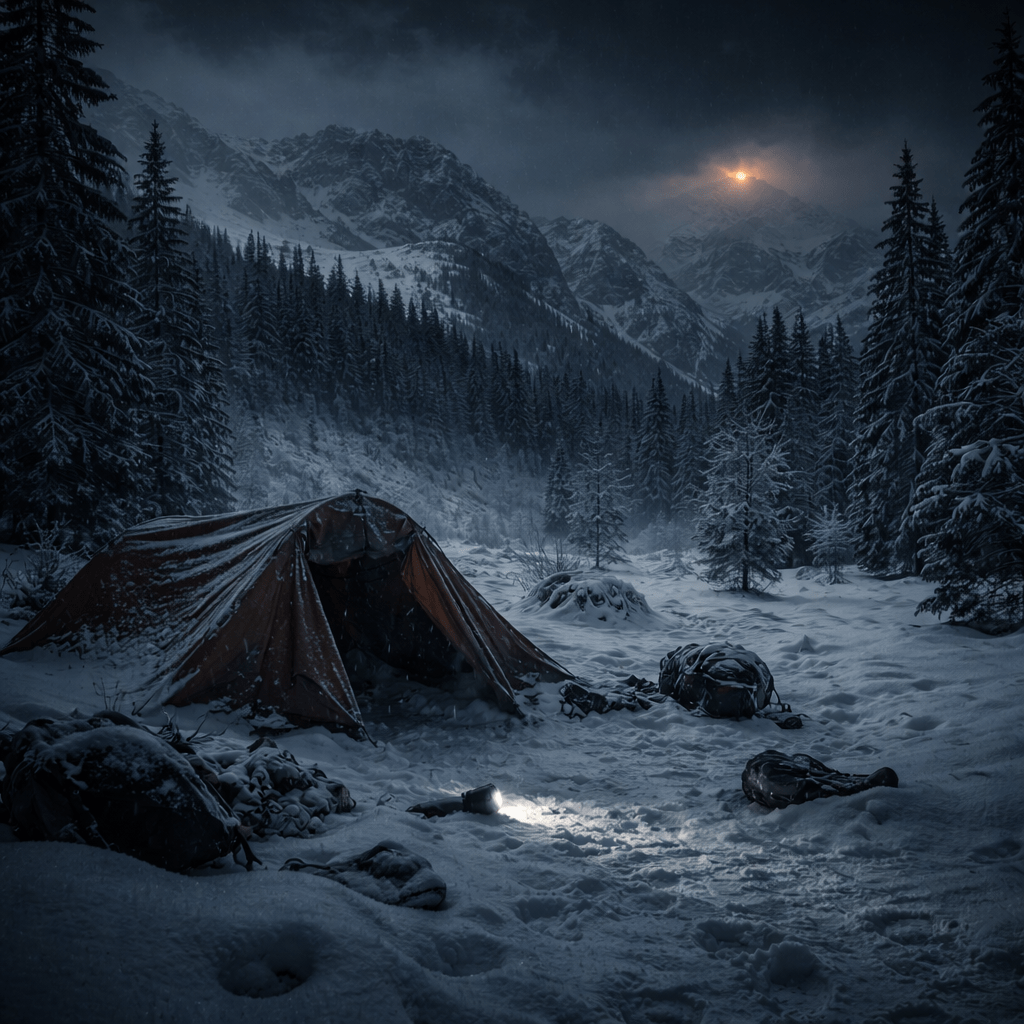
On the night of February 1 into February 2, 1959, nine experienced hikers camped in the Ural Mountains of Russia during extreme sub-zero conditions. By morning, all nine would be dead. Their campsite was later discovered torn open from the inside, with footprints leading into the snow — many barefoot or wearing only socks — despite temperatures reaching −30°C (−22°F).
The hikers’ bodies were found scattered across the frozen terrain. Some showed signs of fatal hypothermia, while others suffered severe internal injuries with little to no external trauma. One victim was missing a tongue. Witnesses in nearby areas reported strange orange lights in the sky around the same time. Soviet authorities closed parts of the investigation, and the official explanation shifted multiple times over decades.
The incident occurred in early February, but the conditions, isolation, and lethal cold mirror those that typically peak around mid-January. This makes January 13 a relevant marker — a reminder of how rapidly extreme cold can turn ordinary survival situations into something far more disturbing.
Today, the site is known as Dyatlov Pass, and the case remains one of the most debated mysteries of the 20th century.
Cold as a Precursor, Not Just a Cause
In many documented paranormal and unexplained cases, extreme cold appears not only as a hazard, but as a preceding condition. Sudden temperature drops, unnatural stillness, and environmental silence are repeatedly reported before panic, disorientation, or anomalous behavior occurs.
Investigators and researchers have noted that winter incidents often involve:
- Abrupt loss of rational decision-making
- Reports of unseen pressure or fear
- Environmental changes before physical danger manifests
These patterns suggest that cold may act as a catalyst — psychological, environmental, or otherwise — rather than the sole explanation.
Why January 13 Matters
January 13 represents the heart of winter’s most unforgiving phase. Historically, this period has been associated with:
- Higher rates of cold-related disappearances
- Increased reports of unexplained sounds and sightings
- Greater isolation, darkness, and silence — conditions that magnify anomalies
Writing about these events today is not about fear for its own sake, but recognition. Extreme cold has repeatedly coincided with moments where human behavior breaks from logic and survival instinct, leaving questions that weather alone cannot answer.
A Persistent Pattern
Whether viewed through the lens of psychology, environmental stress, or something still unknown, the link between bitter cold and unexplained incidents is well established. From frozen mountain passes to silent winter nights, history shows that when temperatures plunge and the world grows still, something about human experience changes.
January 13 serves as a reminder that some of the most unsettling mysteries did not occur in storms or chaos — but in quiet, frozen darkness, where the cold was only part of what people were running from.
 The ChillX Zone
Leave a comment