The Day the Ground Broke Open — and Never Quite Went Silent
January 10, 2026
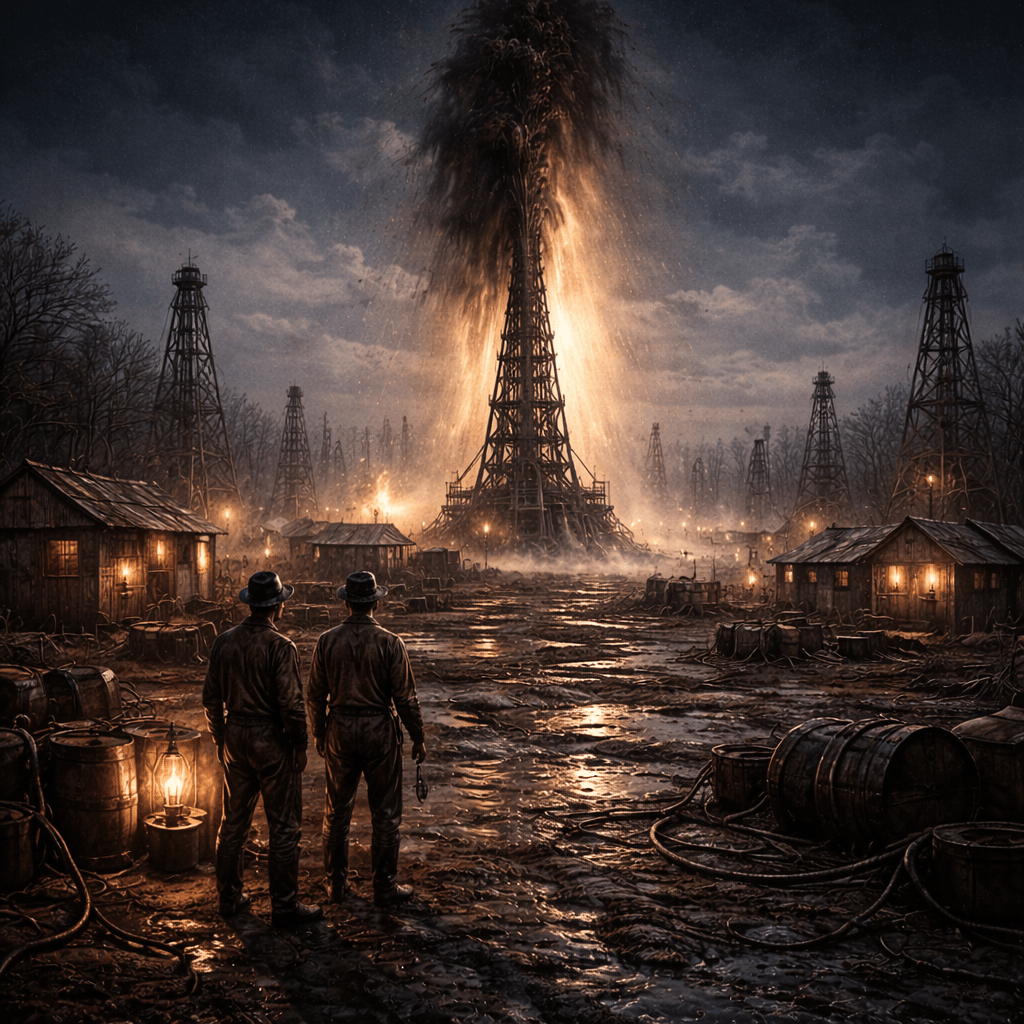
On January 10, 1901, near Beaumont, the earth erupted. The Spindletop oil gusher blew with such force that it sent crude oil more than 150 feet into the air, marking the beginning of the modern petroleum industry and permanently transforming Texas and the global economy.
What history books rarely mention is what followed after the crowds left and the fires were extinguished.
A Landscape Changed Overnight
Spindletop turned quiet farmland into a chaotic industrial zone almost instantly. Thousands of workers flooded the area. Makeshift camps sprang up. Fires, accidents, and violent disputes became common. Deaths—many unrecorded—occurred regularly during the first years of uncontrolled drilling.
By the time production stabilized, the land itself had sunk and cracked. Equipment was abandoned. Entire sections of the field were left to rot.
That was when workers began reporting strange occurrences.
Sounds from Empty Derricks
Night crews reported hearing metallic clanging from inactive rigs, even after machinery had been removed. Others described voices carried on the wind—shouting, calling names, or warning of danger—where no one was present.
Several accounts describe footsteps circling tents or walking between derricks long after camps had been cleared. Guards sent to investigate often found nothing disturbed.
Lights with No Flame
One of the most persistent reports involved unexplained lights hovering low over the oil field at night. Witnesses described them as pale, flickering glows that moved slowly, unlike lanterns or fires, and vanished when approached.
Local explanations ranged from gas ignition to swamp lights, yet the sightings continued even after production declined and the land dried out.
Why January 10 Matters
January 10 marks the exact moment the land was violently altered. Unlike battlefields or disaster sites where tragedy is sudden, Spindletop’s suffering unfolded over years—through exhaustion, injury, greed, and neglect.
The reports did not begin during the chaos, but later, when the field grew quiet and many structures stood empty.
That timing matters.
Natural Forces or Residual Memory
Skeptics argue that shifting ground, escaping gas, and environmental effects explain the sounds and lights. Others point out that similar reports came from unrelated workers over decades, many of whom had never heard the stories before experiencing them.
Today, little remains of the original field. But locals still describe the area as unsettled—a place where the ground gave up something it never wanted to lose.
 The ChillX Zone
Leave a comment