The additives in our foods — are they safe or toxic waste?
November 25, 2025
The Quiet Invasion in Our Kitchens
For years, supermarket shelves have been filling with brightly colored snacks, neon beverages, and long-lasting boxed meals—each boasting “freshness” and “improved flavor.” But behind those friendly labels lies a growing fear that the ingredients we consume daily might be part of a far darker experiment. Throughout the 90s, anxious whispers spread in community centers, school cafeterias, and local grocery aisles: What exactly are we eating? And more importantly—who approved it?
The 11/25 Connection: A Strange Outbreak in Idaho, 1992
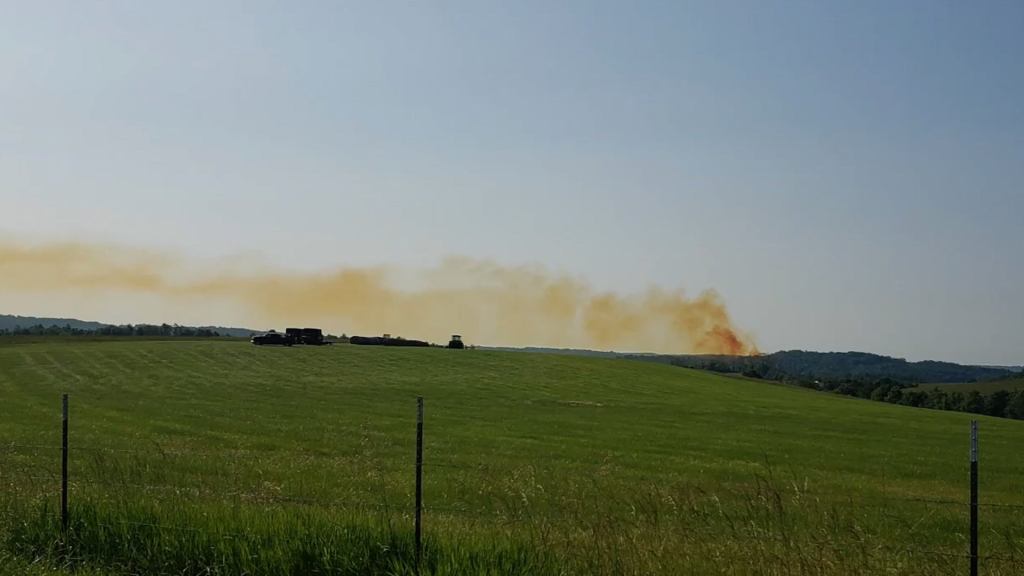
On November 25, 1992, a small farming community outside Nampa, Idaho, reported an unusual incident that quietly made regional headlines before abruptly disappearing from public record. Residents claimed that a shipment of livestock feed delivered earlier that week emitted a strange chemical smell—something like a mix of gasoline and burnt plastic. Within 24 hours, several cows fell ill. By the next morning, a thick gray mist hovered just inches above the ground around the barns.
Locals reported bizarre side effects:
• Metallic taste in the mouth
• Brief blackouts
• Shadows moving along the mist’s surface
• Hallucinations described as “figures made of static”
State officials attributed the event to “contaminated feed,” but no follow-up statements were ever issued. The delivery company changed names within a month, and the feed supplier closed its doors the following spring.
Additives That Don’t Belong
Food scientists of the era raised alarms about preservatives with unpronounceable names and dyes banned in other countries but quietly approved in the U.S. They questioned how certain additives, originally developed for industrial use, found their way into everyday cereal, bread, and candy. Several of those chemicals—according to records uncovered years later—were the same compounds tested in agricultural runoff experiments near Nampa.
The eerie similarity between the Idaho incident and certain food-grade chemicals raised unsettling questions: Were additives simply an overlooked health risk, or were they part of a wider experiment that blurred the line between agriculture, industry, and public safety?
Shadows in the Testing Fields
Interruptions in power lines, animals fleeing fields, and reports of “humanoid silhouettes” standing motionless in the morning fog were scattered across the region for weeks after the initial event. A handful of residents insisted that the mist was not a natural chemical plume—it moved deliberately, almost intelligently. One farmer claimed he saw it rise “in a column, like it was trying to look over the fence.”
No official investigation was ever opened.
Are We Eating the Same Compounds Today?
With modern packaged foods still relying on complex additives, stabilizers, flavor enhancers, and synthetic dyes, many wonder if the Idaho event was an isolated chemical accident—or the first documented case of an unintended byproduct slipping into the human food chain.
And more chillingly: if something did move in that gray mist, was it merely a hallucination… or a chemical-induced glimpse into something we were never meant to see?
 The ChillX Zone
Leave a comment