The 1976 Devils Hole Pupfish Crash — and the Unseen Forces Beneath the Desert
November 13,2025
A Desert Cavern Older Than Humanity
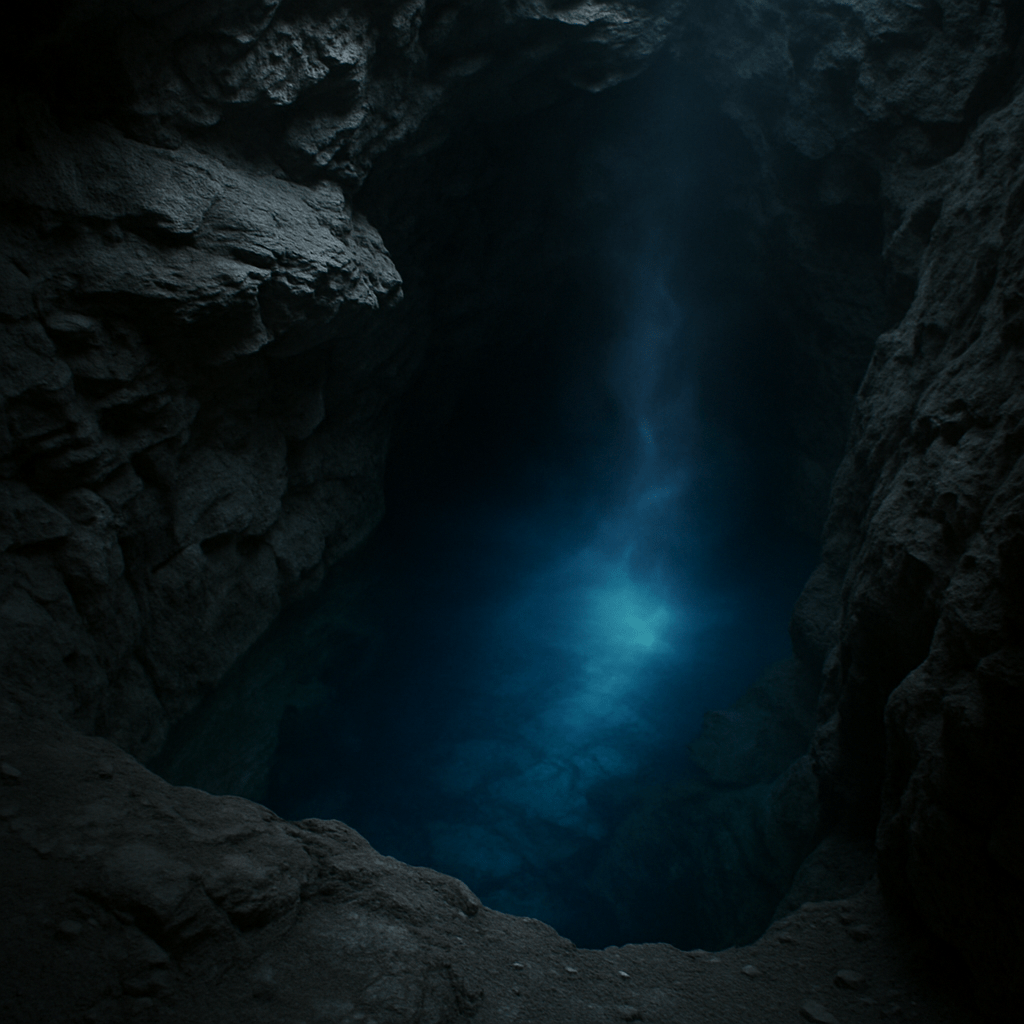
Devils Hole, a fissure in the Nevada desert, is a flooded limestone cavern that drops into immeasurable depths, warmed by geothermal forces and sealed off from the outside world for thousands of years. The only creature adapted to survive in this isolated pocket is the Devils Hole Pupfish, a tiny blue-gold fish whose entire existence plays out in a space smaller than a typical living room. By the 1970s it was already one of the rarest species on Earth. But on November 13, 1976, something occurred that would enter both ecological records and local desert folklore.
The Day the Water Turned Still
During a routine count, researchers entered the cavern expecting to see the usual flicker of pupfish moving along the shallow limestone shelf. Instead they found stillness. The water felt unnaturally calm, and the fish were missing from their usual feeding zone. When the census was completed, the truth became clear: a sudden and devastating population crash. Only thirty-seven pupfish remained alive. Some floated lifeless in the water column; others were simply gone. What unsettled the team most was not only the scale of the loss but the atmosphere inside the cavern. Several divers later described a sensation of pressure, as though something deep below the visible basin was stirring.
Groundwater Harvesting… or Something Else?
At the time, the region was embroiled in a fierce dispute over groundwater pumping. Expanding agricultural operations were draining the aquifer beneath Amargosa Valley, and scientists warned that the lowered water table could threaten Devils Hole itself. Farmers argued the ecosystem had endured centuries of natural change. Yet no one could explain why the pupfish died on a single date, all at once, with no chemical contamination detected and no temperature spike recorded.
The Quake That Made the Water Breathe
Hours before the crash, a powerful earthquake struck the western Pacific. Devils Hole is so sensitive that quakes from across the world can cause the cavern to heave and pulse, sending water surging up its rock walls. But the marks left behind on November 13 were unlike typical quake sloshes. Instruments registered pressure shifts that did not match any known seismic pattern, and divers reported brief flashes of pale bluish light deeper in the shaft — well beyond the reach of surface illumination.
Desert Legends and the “Breath” of the Earth
Local Indigenous stories long described Devils Hole as a breathing point of the Earth, a place where changes in the desert’s balance echo through the water. The pupfish, according to oral tradition, were indicators of harmony; when too much was taken from the land, the cavern would respond. After the 1976 crash, some residents noted unusual desert behavior: coyotes traveling silently in broad daylight, jackrabbits clustering at the ridge line, and a low humming sound heard near the Hole at dusk. None of this was documented formally, yet it became part of the event’s folklore.
A Mystery at the Edge of Extinction
Today the Devils Hole Pupfish still teeters on the brink, sustained by intense conservation efforts. But the events of November 13, 1976 remain one of the strangest ecological mysteries ever recorded. A species nearly vanished overnight. The desert shifted in ways science still cannot fully map. And deep within the cavern, the water behaved as though something unseen was moving through it.
 The ChillX Zone
Leave a comment