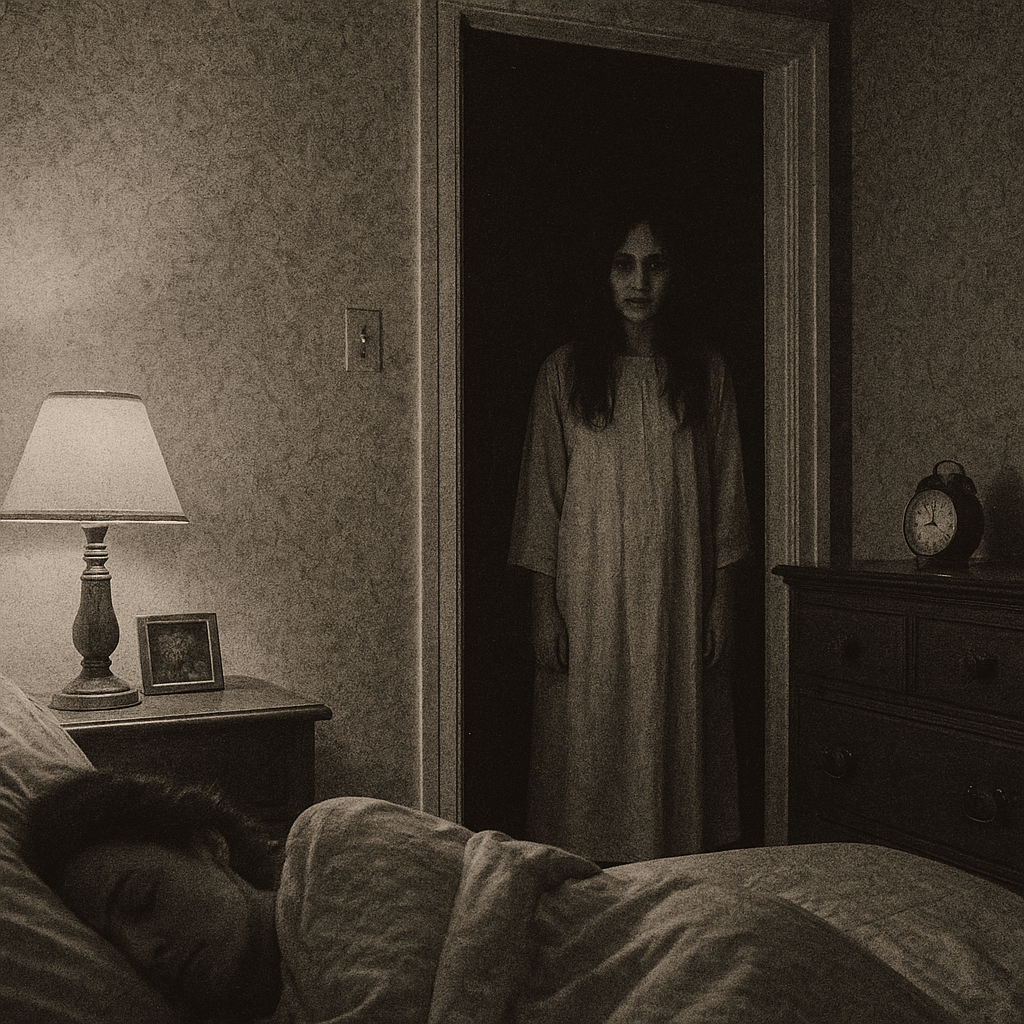
Psychological roots and haunting realities intertwine in a chilling look at the Enfield poltergeist and the mind’s role in the paranormal.
August 13, 2025
In homes across the nation, the uncanny whispers of unseen presences have long stirred more than mere superstition. Even now, amidst the digital buzz of modern life, reports of ghostly disturbances persist—prompting new curiosity about how our minds craft—and sometimes misread—the paranormal.
Consider the infamous Enfield poltergeist case from the late 1970s: In a modest London council house, residents—including two young sisters—claimed all manner of eerie events unfolded. Chairs supposedly teetered and slid of their own accord, toys were hurled across rooms, disembodied voices echoed through empty corridors, and even the girls themselves were said to float off the ground. To some observers, these were signs of genuine spectral mischief; to others, proof that fear and expectation can easily blur the lines between reality and imagination.
Psychologists in the emerging field of anomalistic psychology studied such episodes to uncover their true nature: cognitive quirks, sleep-related distortions, suggestion, and misperception. In many such hauntings, our brains simply superimpose narratives on ambiguous stimuli—turning the ordinary into the uncanny. What seems like poltergeist activity is often rooted in the mind’s own misfiring mechanisms.
Yet psychological scholars also suggest that these beliefs may reveal deeper undercurrents of emotional stress. Haunted encounters frequently surface when individuals are grappling with anxiety, unresolved tension, or fragile boundaries between perception and reality. In that sense, the haunting is less a supernatural visitor than a mirror reflecting internal turmoil.
Still, not all paranormal belief signals distress. For some, these experiences—especially those described as contact with spirits or signs from beyond—can offer solace, a sense of continuity, or meaning amid loss. When woven into personal narratives with care, they may become unexpected instruments of healing and emotional integration.
Ultimately, what emerges is a delicate balancing act: a haunted mind might both obscure inner wounds and, paradoxically, help stitch them back together, depending on how these extraordinary—or seemingly so—experiences are interpreted and incorporated.
Why This Matters
By revisiting that vintage case in today’s light, this article invites readers to view the paranormal through a dual lens: as a psychological magnifier of hidden stresses and, in some cases, a strange blessing in emotional disguise. The old legend of Enfield reminds us how thin the veil between mind and mystery can be—and how, even now, the unknown may be more familiar than we think.
 The ChillX Zone
Leave a comment